Three generations of Philadelphia roofers — residential only 24/7 Emergency Blog (215) 303-0319

Material guide

Types of Siding

Eight siding materials and profiles, drawn so the shadow lines and the lap are visible. What each one costs over its life, what it is good and bad at, and which one belongs on your wall.

Most common $$$$ Drawn specimen — swap for a job photo

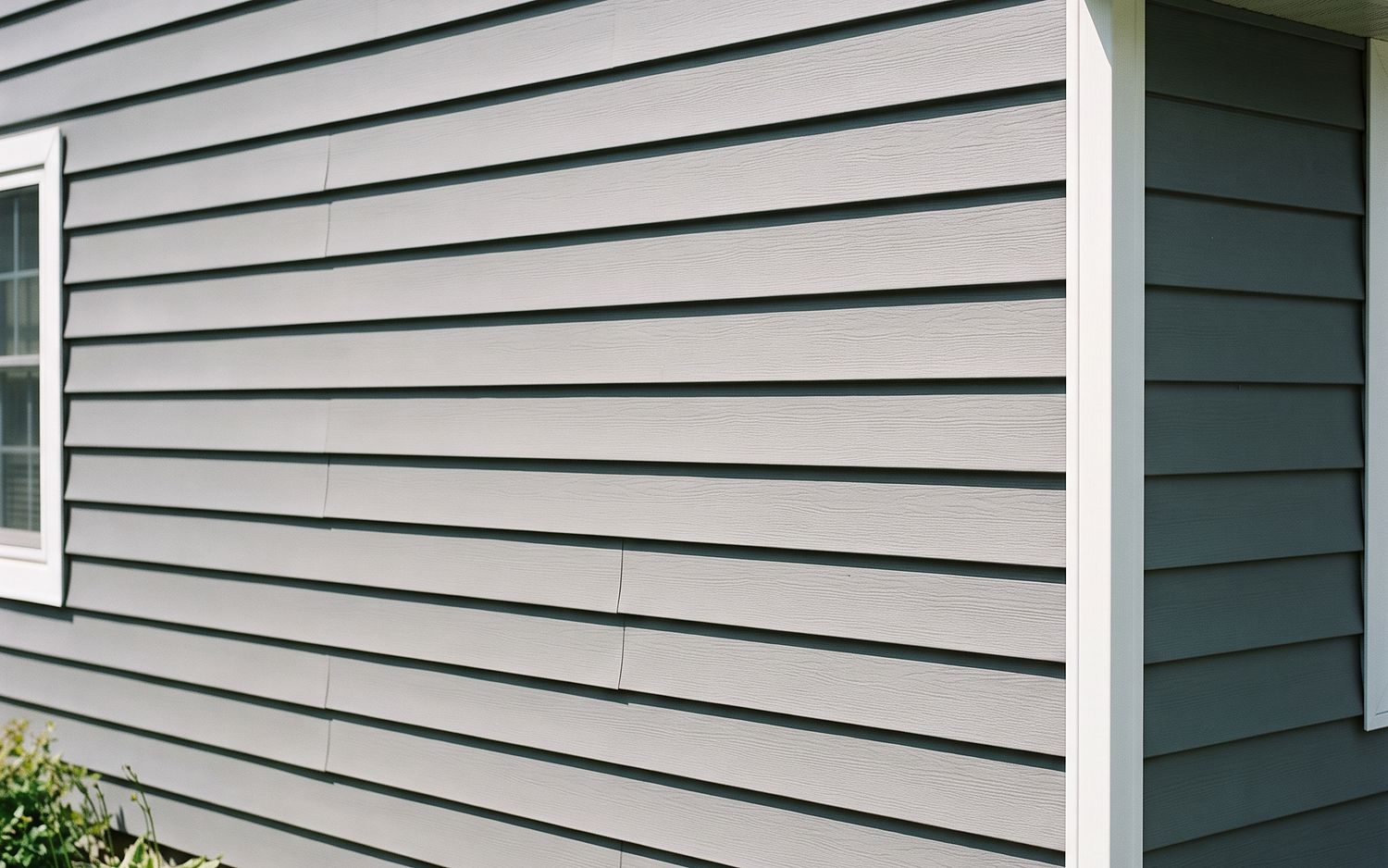
Vinyl Clapboard

Double 4″ · Double 5″ · horizontal lap

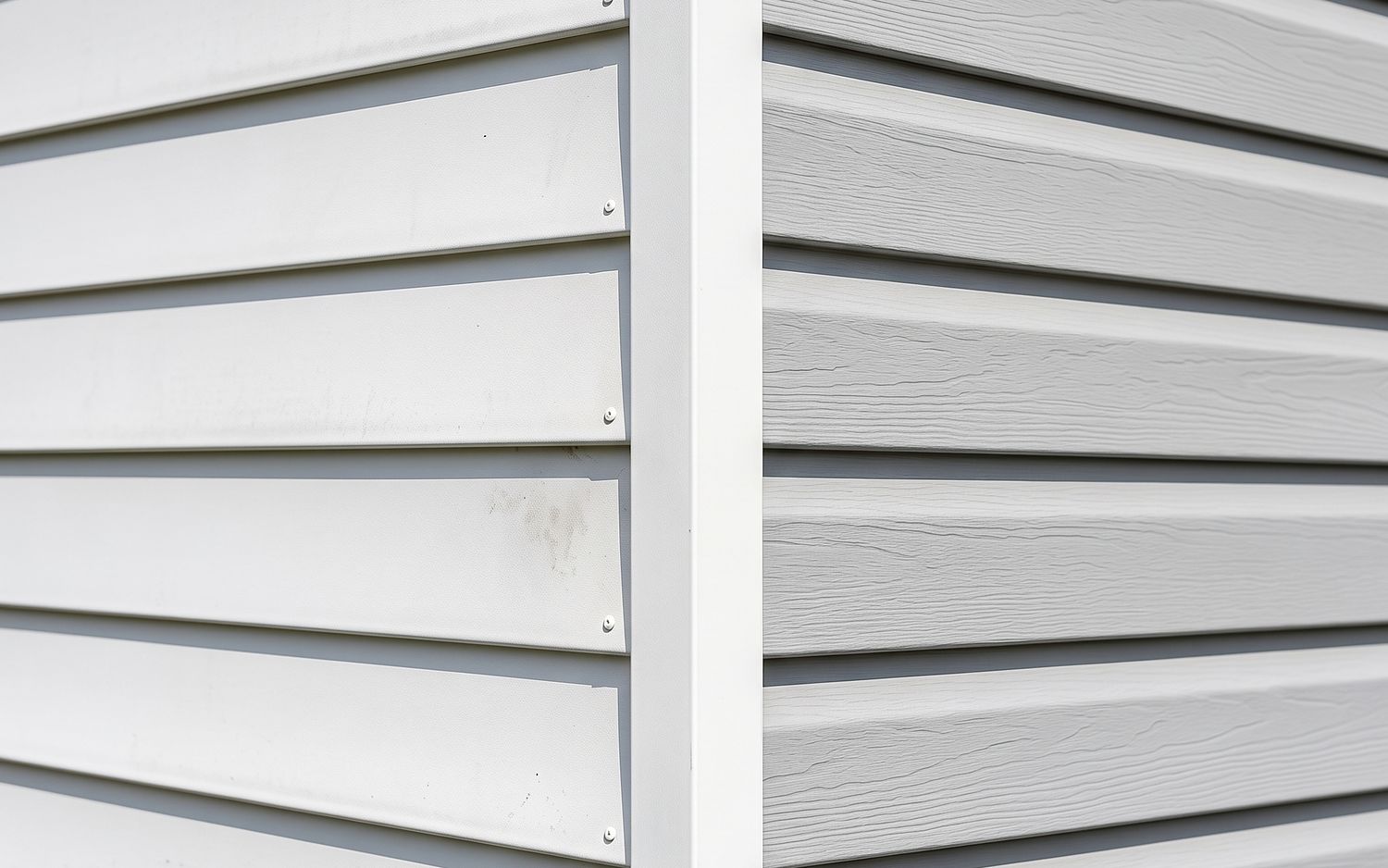
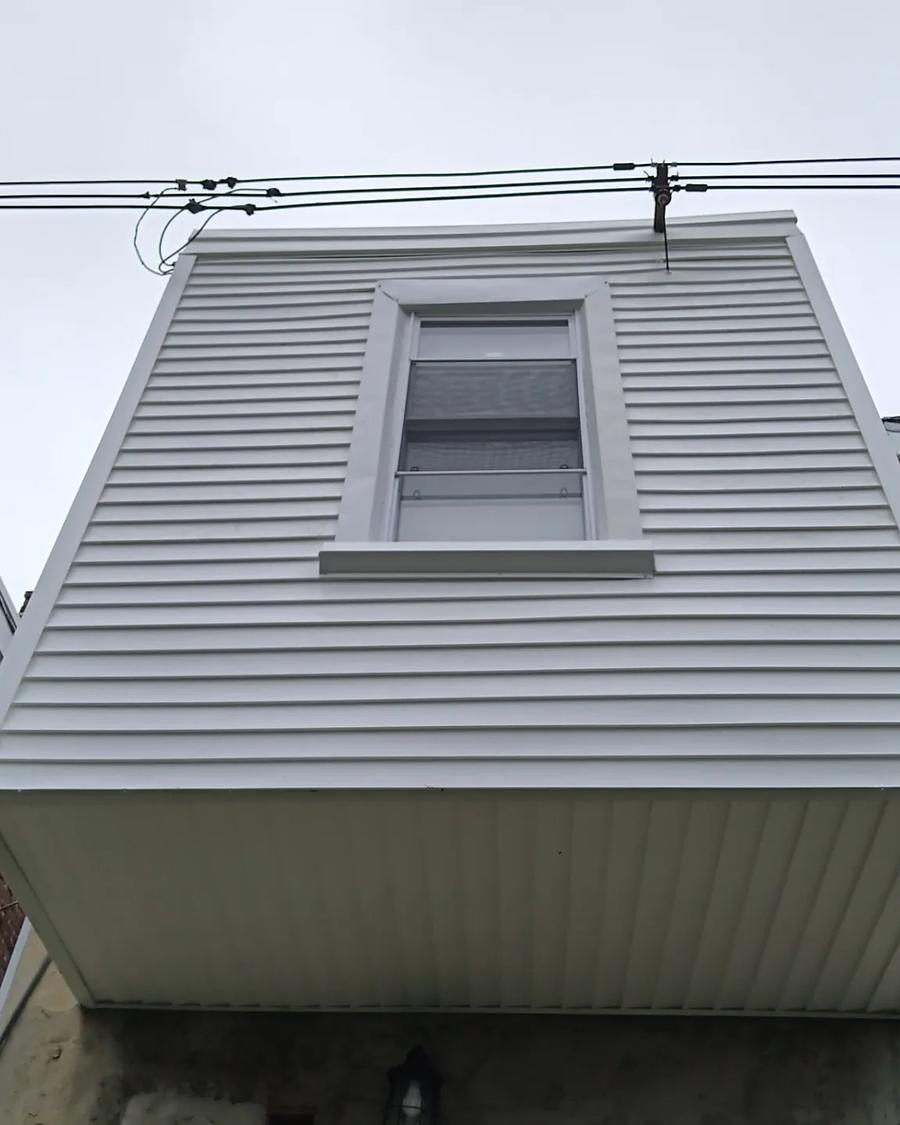
Horizontal lap panels, each one moulded to look like two or three courses of painted wood siding. The most-installed siding in America and, by a wide margin, the most common thing we hang on a Philadelphia house.

30–40 yearsLifespanWash it once a yearUpkeep

Best forAlmost any house. The default, and a good one.

Strengths

  • Least expensive way to make a whole house look new
  • Never needs painting
  • Huge colour range
  • Fast to install, easy to repair a panel

Trade-offs

  • Thin panels can read as plastic up close and telegraph a wavy wall
  • Colour can fade over decades on a hard south or west elevation

What MG doesOur standard siding install — over taped house wrap, with the openings flashed.
Traditional $$$$ Drawn specimen — swap for a job photo

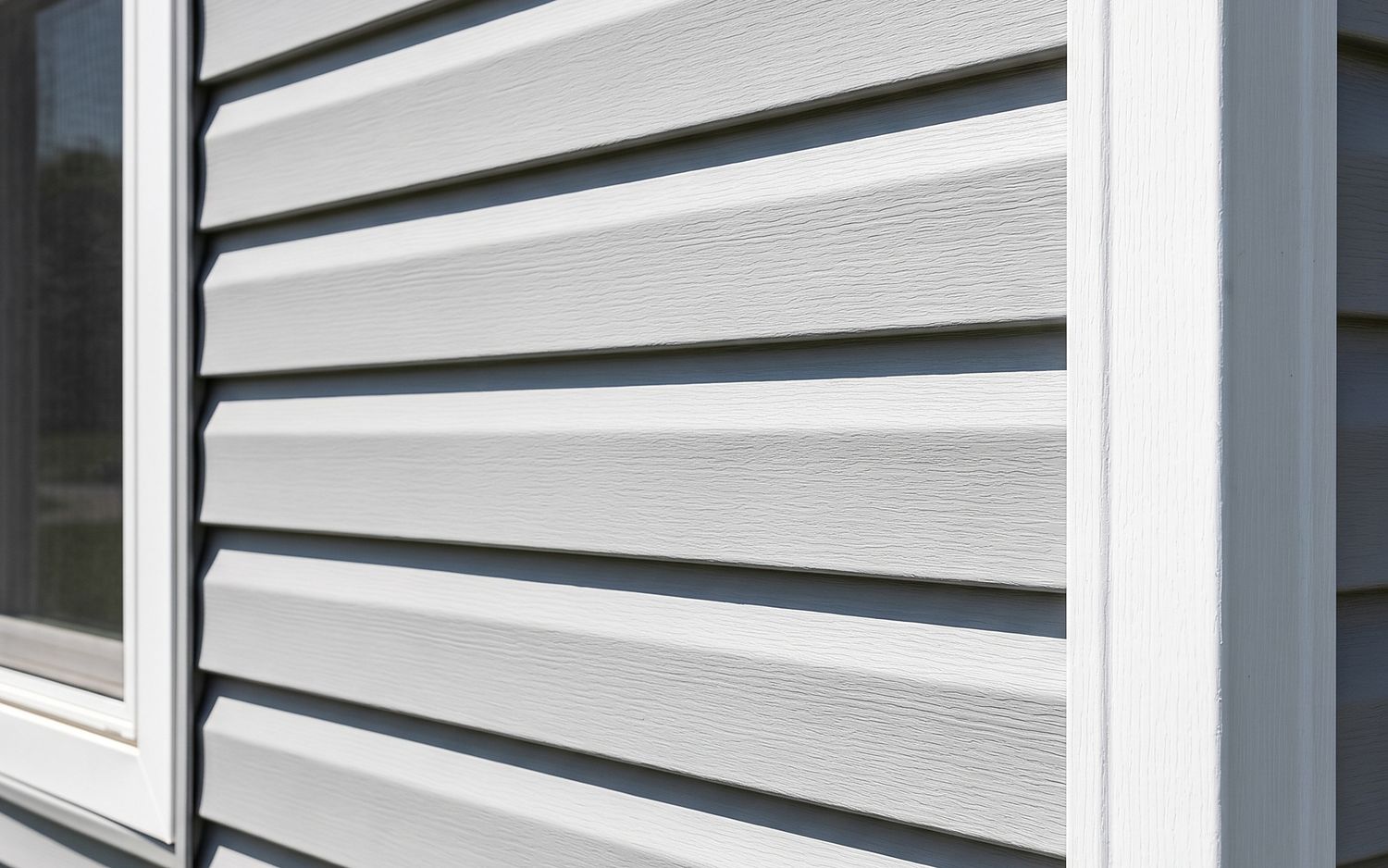
Dutch Lap Vinyl

Dutch lap profile

The same panel with a concave groove cut into the top of each course, which throws a deeper shadow line. On the street it reads as older, hand-planed siding, and it is the profile most people pick when clapboard looks too plain.

30–40 yearsLifespanWash it once a yearUpkeep

Best forTraditional and colonial-looking homes, twins and singles with visible elevations.

Strengths

  • Deeper shadow, more character than flat clapboard
  • Same price bracket as standard vinyl
  • Reads well from the street

Trade-offs

  • Slightly busier look — not right on a modern house
  • The groove holds a little more dirt

What MG doesSame install, different profile. It is a look decision, not a price one.

Best performer $$$$ Drawn specimen — swap for a job photo

Insulated Vinyl

Foam-backed vinyl

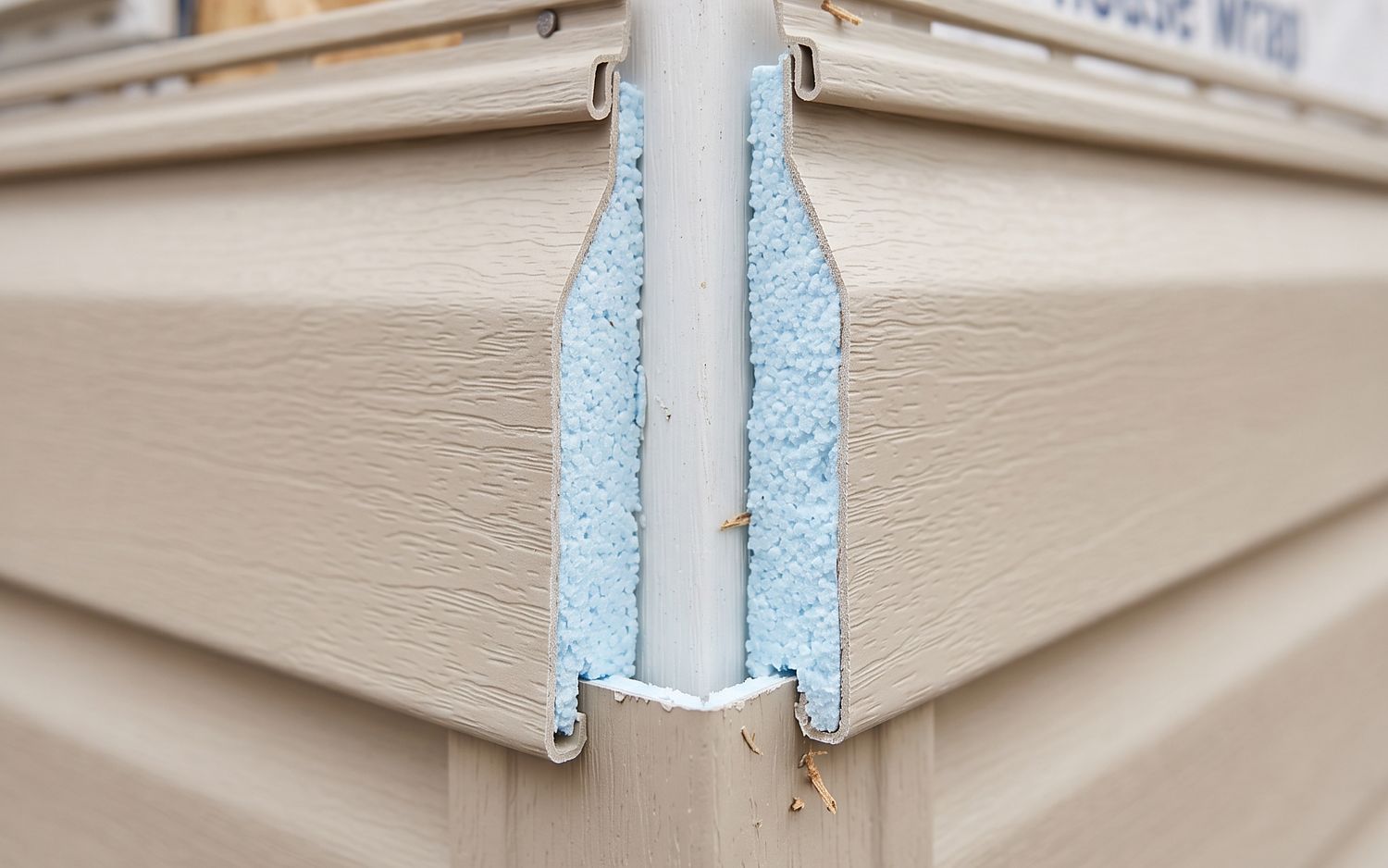
Vinyl panels with contoured rigid foam bonded to the back, filling the void behind the profile. It adds genuine R-value to the wall, deadens outside noise, and — because the panel is supported along its whole length — sits dead flat instead of oil-canning.

35–45 yearsLifespanWash it once a yearUpkeep

Best forOlder uninsulated walls, west-facing elevations, and anyone who has been told their house is draughty.

Strengths

  • Real added R-value on a wall that usually has very little
  • Noticeably quieter inside
  • Sits flat — the single biggest upgrade in how it looks
  • Takes a knock far better than hollow vinyl

Trade-offs

  • Costs meaningfully more per square
  • Heavier, and it is fussier to cut and fit

What MG doesWorth pricing as an option on any full-house job. On an old uninsulated wall it is the upgrade we push hardest, because you feel it indoors.

Accent $$$$ Drawn specimen — swap for a job photo

Cedar-Shake Vinyl

Shingle profile · staggered shake

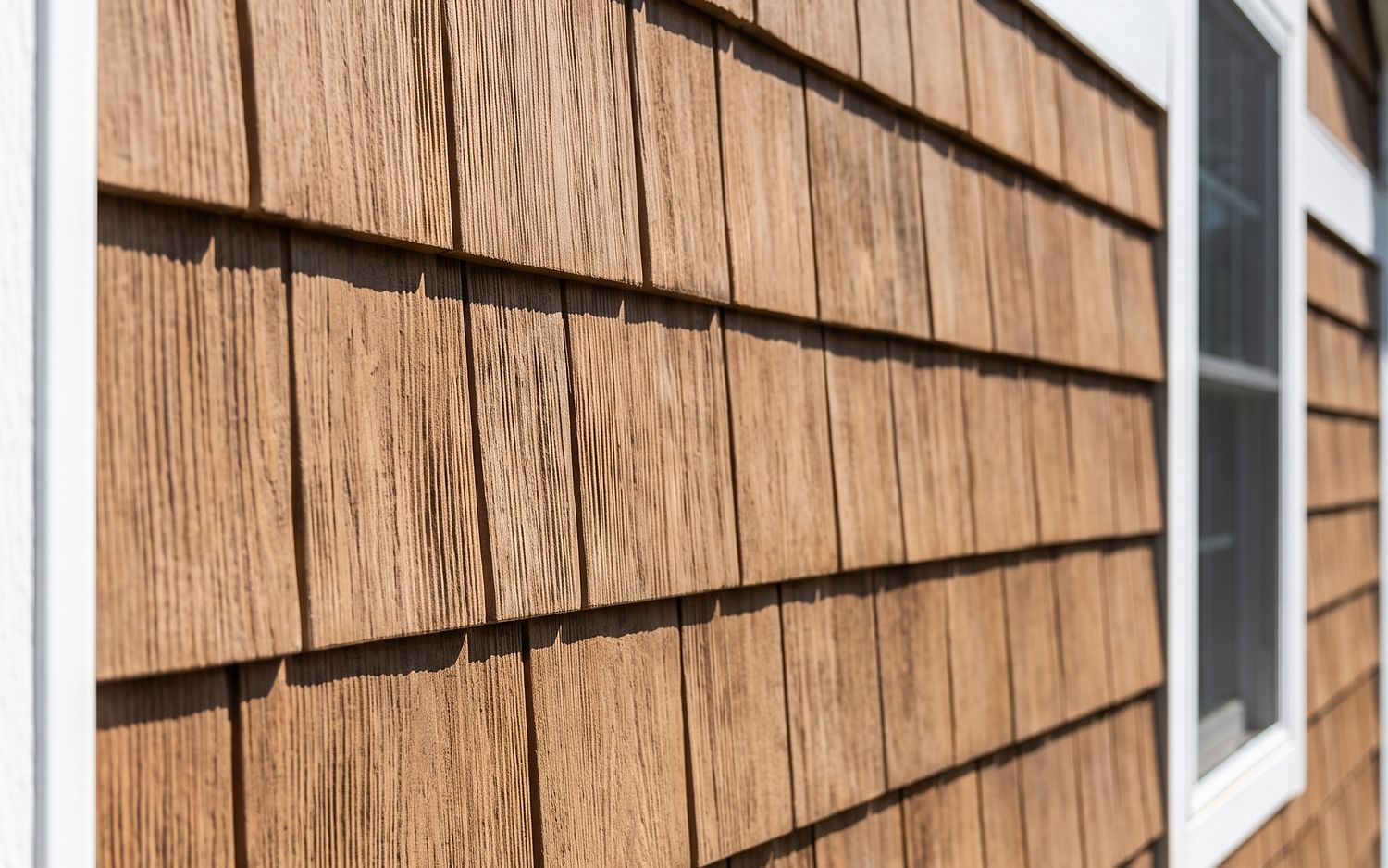
Moulded to imitate hand-split cedar shingles, in straight or staggered courses. Rarely used on a whole house — its job is gables, dormers, bay fronts and the second storey, breaking up a wall of flat lap siding.

30–40 yearsLifespanWash it once a yearUpkeep

Best forGable ends, dormer cheeks, porch skirts, second-storey accents.

Strengths

  • Real texture and depth without any of cedar's maintenance
  • Instantly makes a plain elevation look designed
  • Mixes with lap siding by design

Trade-offs

  • Expensive as a whole-house siding
  • Overdone on every wall it looks like a pattern

What MG doesWe use it the way it works best — as an accent, priced alongside the lap siding.

Modern $$$$ Drawn specimen — swap for a job photo

Board & Batten

Vertical siding

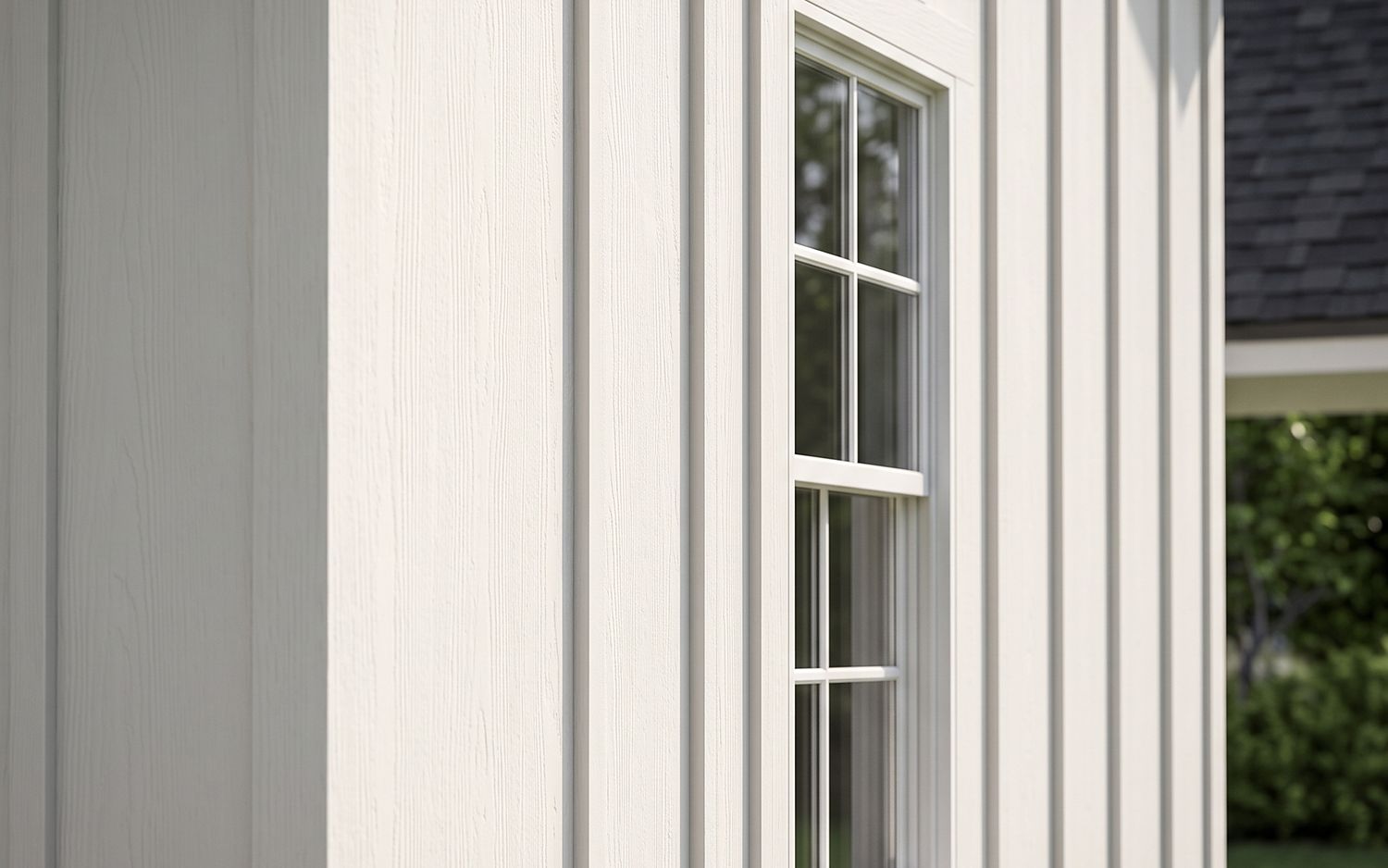
Wide vertical boards with narrow battens covering the joints — originally a barn detail, now the defining look of every farmhouse-style renovation of the last ten years. Vertical lines make a house read taller.

30–40 yearsLifespanWash it once a yearUpkeep

Best forGables, entry walls, dormers, and full elevations on modern renovations.

Strengths

  • Distinctive — nothing else on the block will look like it
  • Vertical lines add apparent height
  • Pairs well with dark colours

Trade-offs

  • Installation is slower and less forgiving of an out-of-plumb wall
  • It is a strong style choice, and styles move

What MG doesYes — often as one accent wall or the gables, with lap siding on the rest.

Premium $$$$ Drawn specimen — swap for a job photo

Fiber Cement

Hardie-style · cement board siding

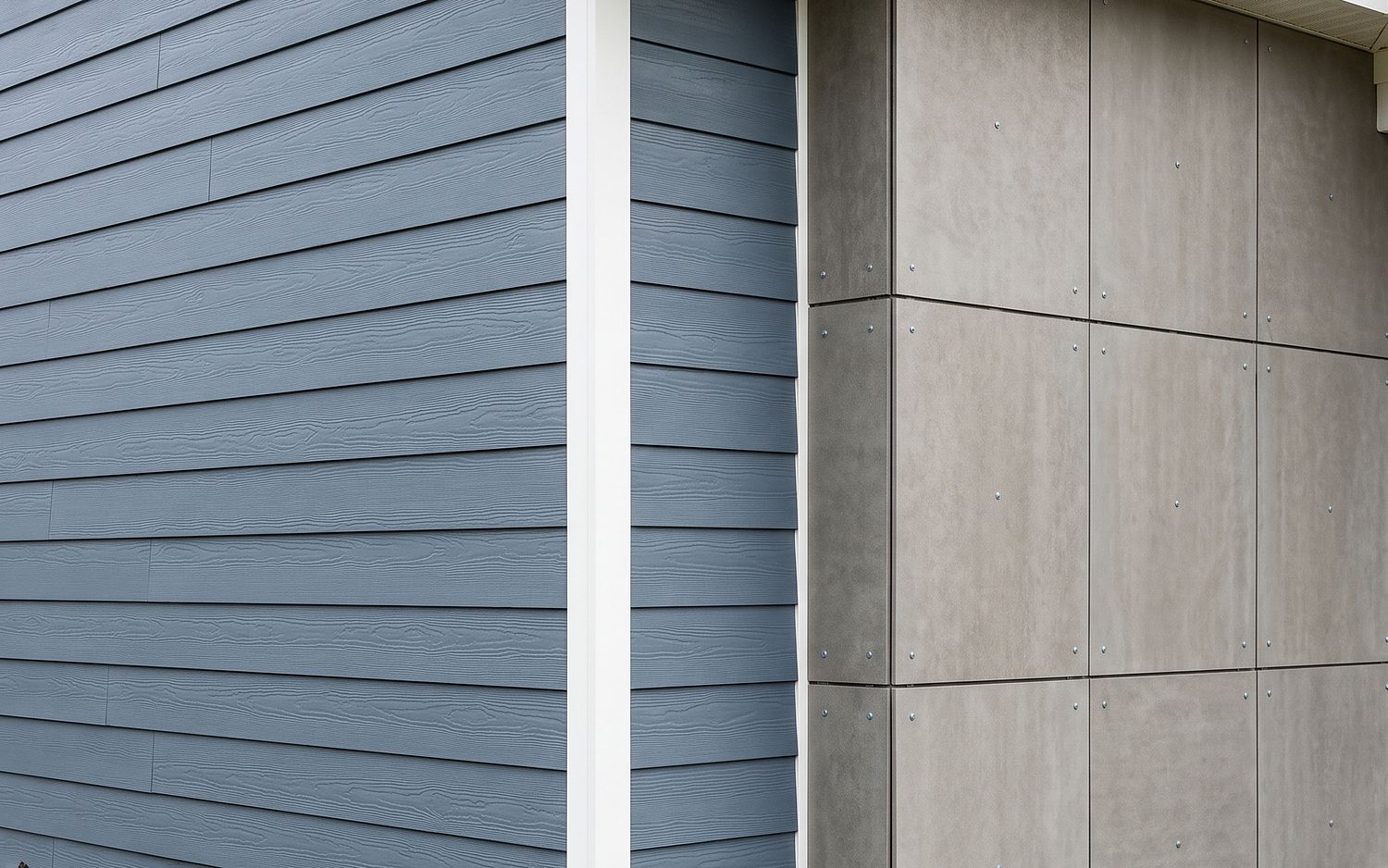
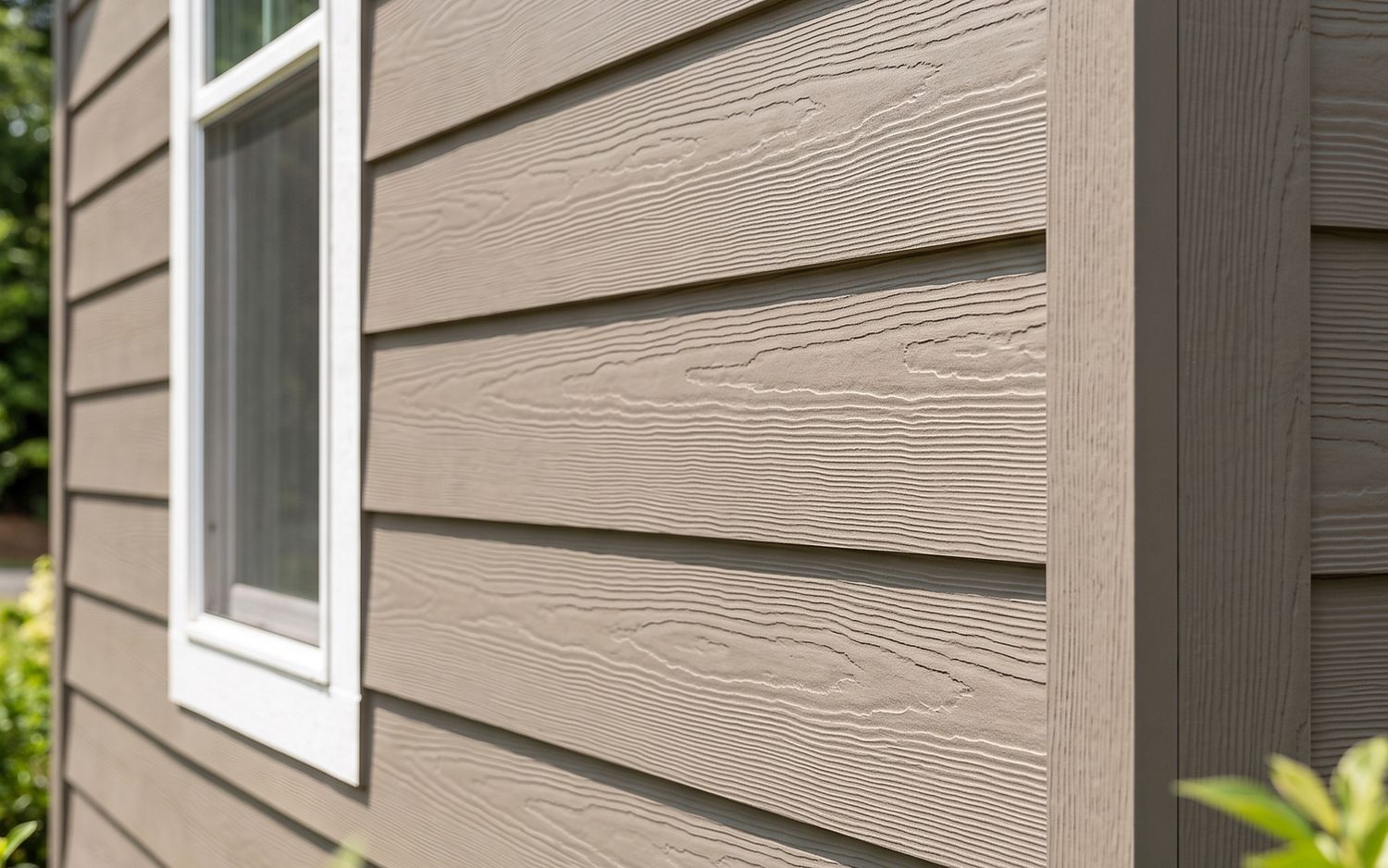
Cement, sand and cellulose fibre pressed into thick, heavy boards. It does not burn, insects will not touch it, and it holds a straight line on a wall the way nothing hollow can. It is the premium horizontal siding and it looks it.

40–50 yearsLifespanRepaint every 10–15 yearsUpkeep

Best forHigher-end renovations, fire-conscious walls, and anyone who wants painted-wood looks that last.

Strengths

  • Non-combustible
  • Very rigid — dead flat walls, deep authentic shadow lines
  • Holds paint extremely well
  • Immune to insects and rot

Trade-offs

  • Heavy, and slow to install — labour is a real part of the cost
  • It does eventually need repainting, unlike vinyl
  • Cutting it is dusty, specialist work

What MG doesAvailable, and worth the conversation if you want the look of painted wood and you are done with painting it every four years.

Warm look $$$$ Drawn specimen — swap for a job photo

Engineered Wood

LP SmartSide-style composite

Wood strands bonded with resin and treated all the way through, then pressed with a wood grain. It looks and cuts like real wood, weighs far less than fiber cement, and takes an impact far better.

30–40 yearsLifespanRepaint every 10–15 yearsUpkeep

Best forRenovations that want real wood character without cedar's upkeep.

Strengths

  • Genuine wood texture and warmth
  • Much lighter and faster to hang than fiber cement
  • Impact resistant — takes a stray ball or a ladder

Trade-offs

  • Needs repainting eventually
  • Cut ends must be sealed properly or they wick water

What MG doesYes. It is a good middle ground between vinyl and fiber cement.

Older homes $$$$ Drawn specimen — swap for a job photo

Aluminum & Steel Siding

Metal lap siding

The siding that went onto a great many Philadelphia houses from the fifties through the seventies, and a lot of it is still up. It will not rot, will not burn and will not warp — but it dents, and old aluminum eventually chalks and fades.

30–40 yearsLifespanRepaint if it chalksUpkeep

Best forMatching or repairing an existing metal-sided house; fire-conscious walls.

Strengths

  • Fireproof and rot-proof
  • Very light on the structure
  • Genuinely long-lived if it is not being hit

Trade-offs

  • Dents permanently and repairs are visible
  • Old finishes chalk and fade
  • Sounds hollow in wind and rain

What MG doesWe repair it, we colour-match it, and we take it off when it is time. Most of the metal-sided houses we work on end up in insulated vinyl.

Still not sure?

We will come and
look at it, free.

Choosing a material off a page is guesswork. Choosing it after somebody has been on your roof, photographed what is there and told you what your house actually needs is not. That part costs nothing.

Philadelphia · residential only

Free inspection & estimate

No obligation. Tell us what you are looking at and we will come and look at it.

Demo form — it validates and redirects, but sends nothing. Point it at the client's CRM to go live.

Straight answers

Types of Siding — FAQ

Vinyl, in double 4″ or double 5″ clapboard or dutch lap. It is the least expensive way to make a whole house look new and it never needs painting.
On an older uninsulated wall, yes — and not only for the R-value. Because the panel is backed solid it sits dead flat instead of waving, which is the single biggest thing separating siding that looks good from siding that looks cheap.
We would rather not. Going over the old material hides whatever is rotting underneath, and it builds the wall out so far it fights the window and door trim. Tear-off is not usually the expensive part of the job.
There is a lot of stucco and EIFS in this region and a lot of it has moisture problems behind it. That is its own trade with its own diagnostics, and it is not what we do. If that is what your house has, we will say so rather than take the job.

Free estimate

Free inspection. Written estimate. No pressure.

Tell us what you are looking at and we will come and look at it — and we will tell you honestly what it needs, including the times the answer is nothing yet.

(215) 303-0319