
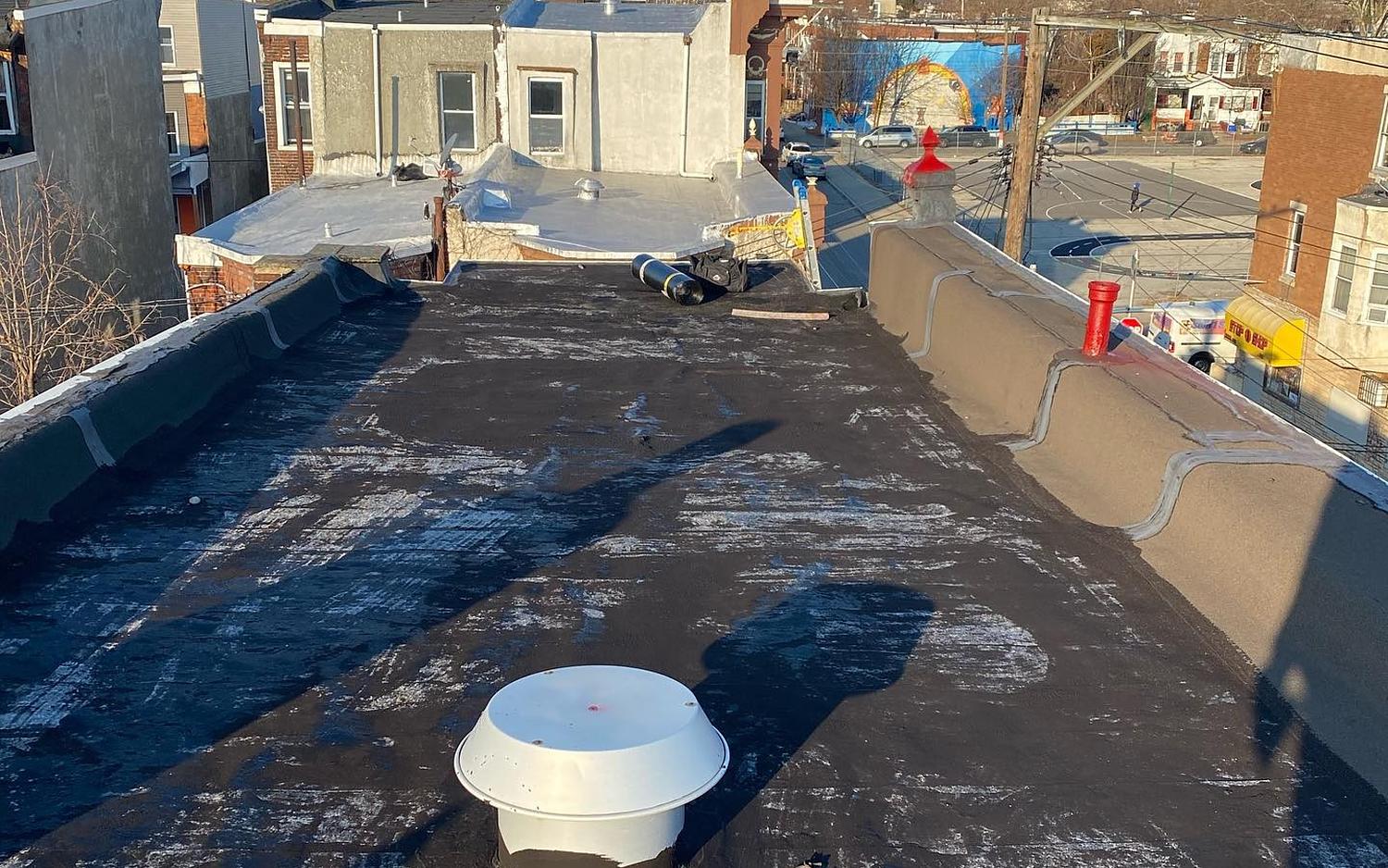
Emergency
Storm hit.
Start here.
After a bad night the two things that matter are stopping the water today and documenting the damage properly before anything gets touched. Get that second part wrong and a legitimate claim turns into a denied one.
Scope
What we do after a storm
Emergency first, paperwork second, repair third — in that order.
- Emergency tarping to stop active water, day or night
- Full roof and exterior inspection — roof, gutters, siding, capping, windows
- Damage photographed and documented before any repair work begins
- A written scope you can hand straight to your insurer
- We meet the adjuster on the roof and walk the damage with them
- Supplements handled when the adjuster's scope misses something real
- Repairs or full replacement once the claim is settled
The difference
How claims actually go
Move fast, but do not touch it yet
Stop the water — that is your duty under the policy and no insurer objects to a tarp. But do not let anybody start repairing damage that has not been documented. Photographs first, always.
The scope is the whole fight
Claims get short-paid when the scope misses things: the drip edge, the ridge vent, the code-required ice & water shield, the gutter the ladder-happy adjuster never looked at. We write the scope in the insurer's own language.
We work for you, not the carrier
We are not adjusters and we do not negotiate your claim for you — that is not a contractor's job and anyone promising it should worry you. What we do is document the damage accurately, meet the adjuster on your roof, and stand behind the scope.
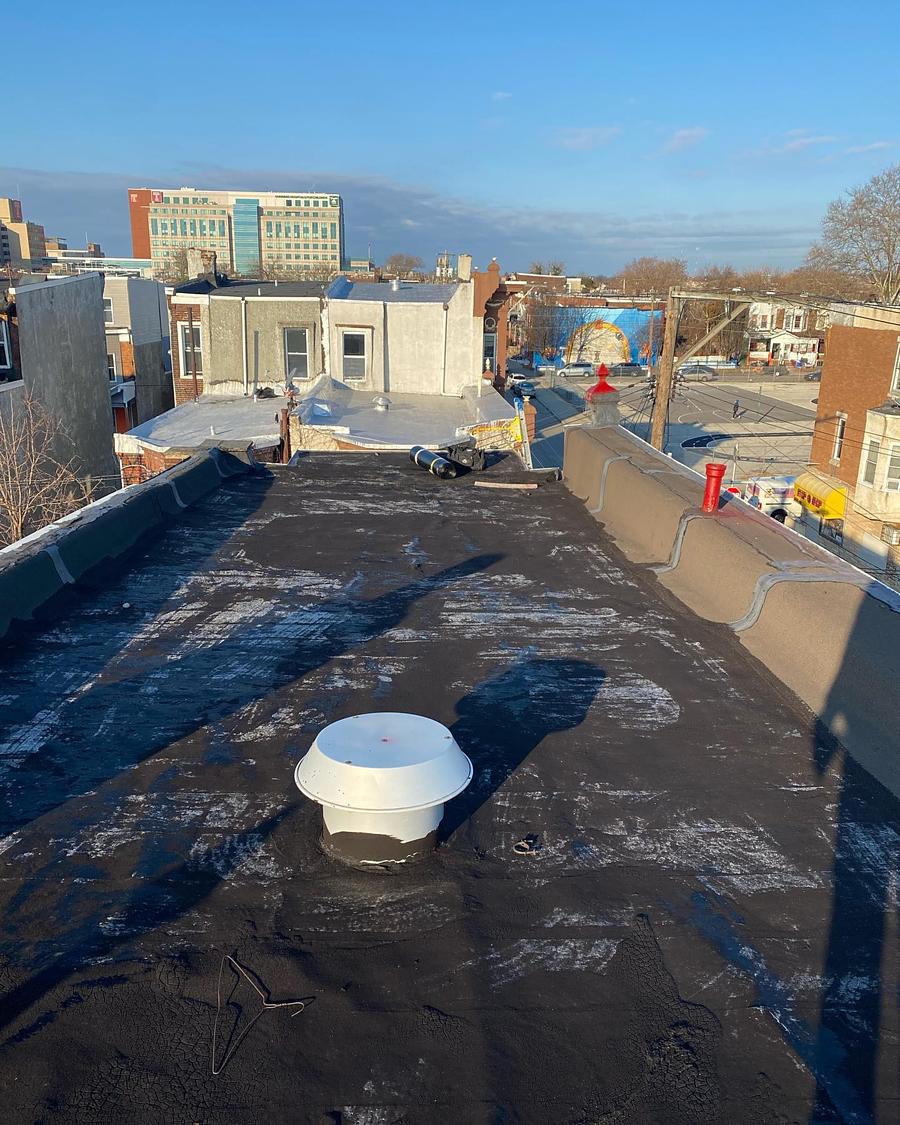
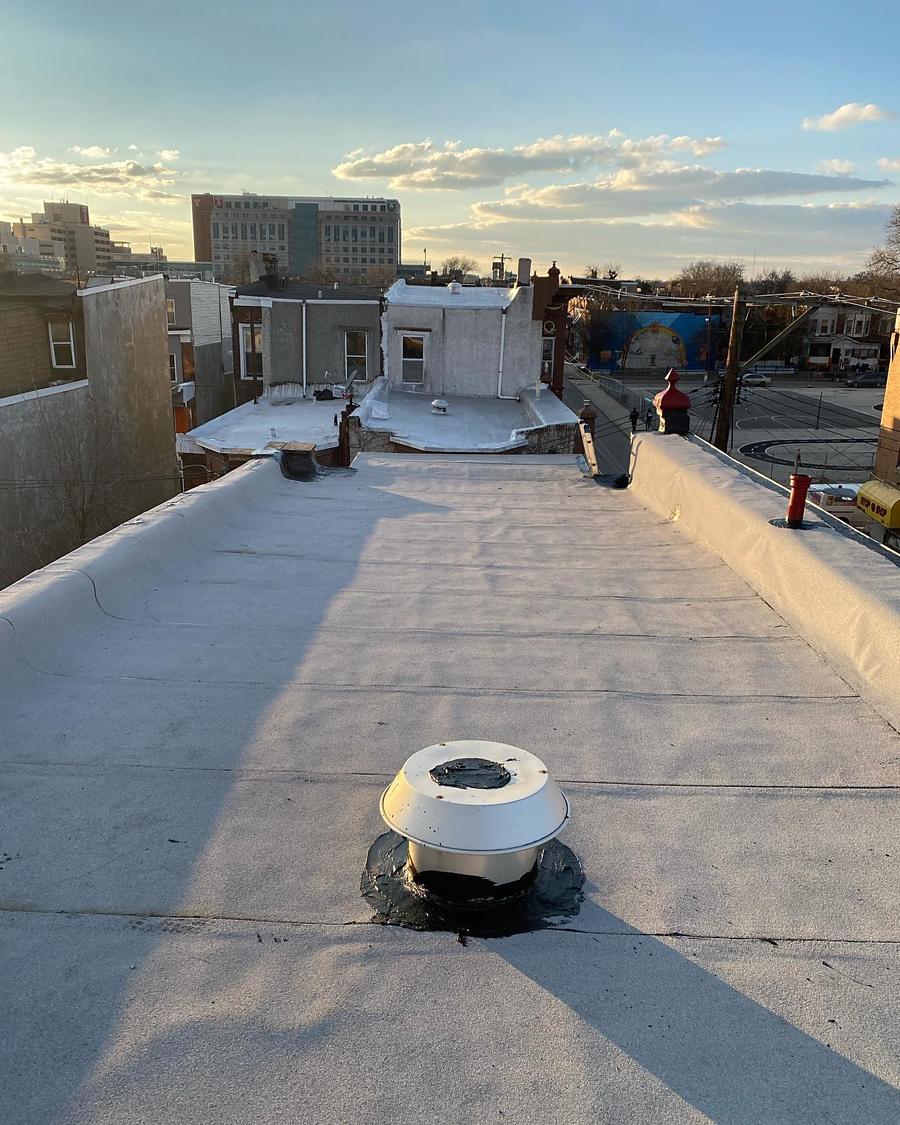
Before & after
Documented first,
then fixed.
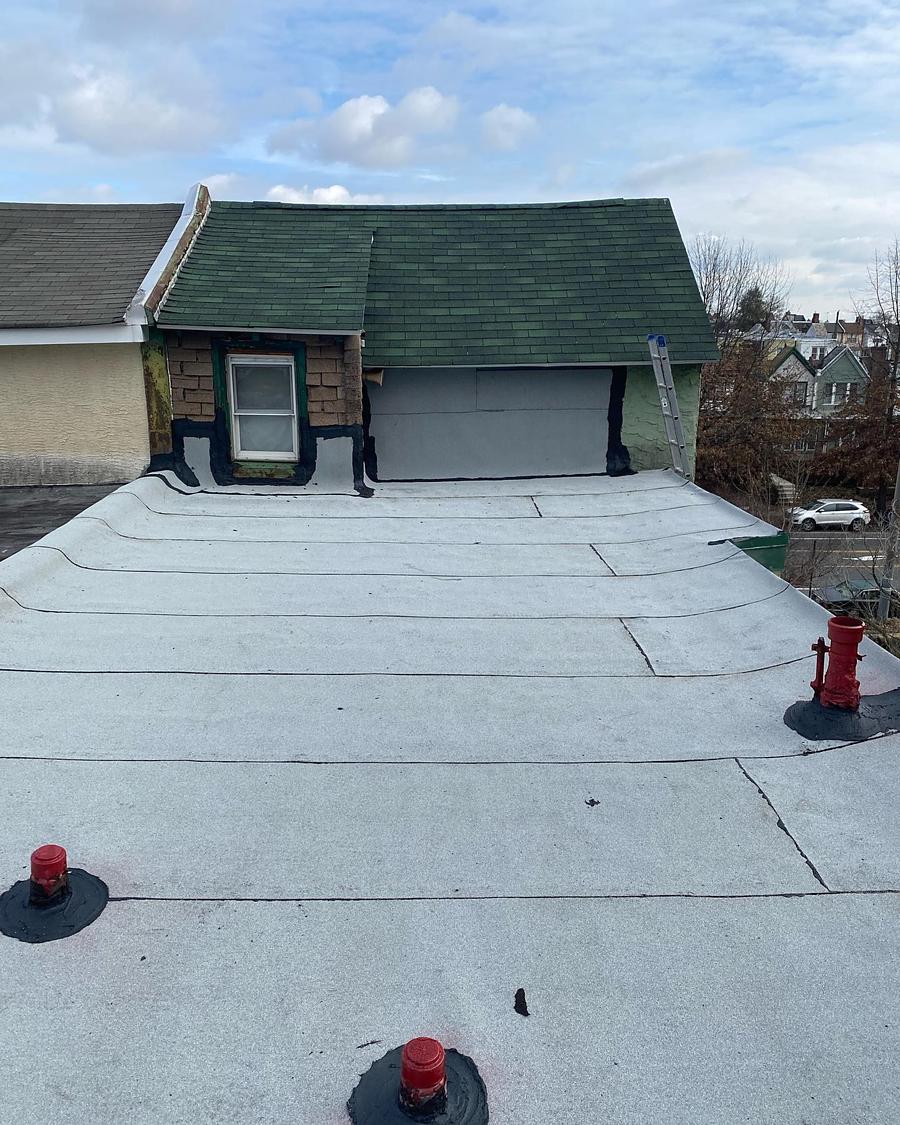
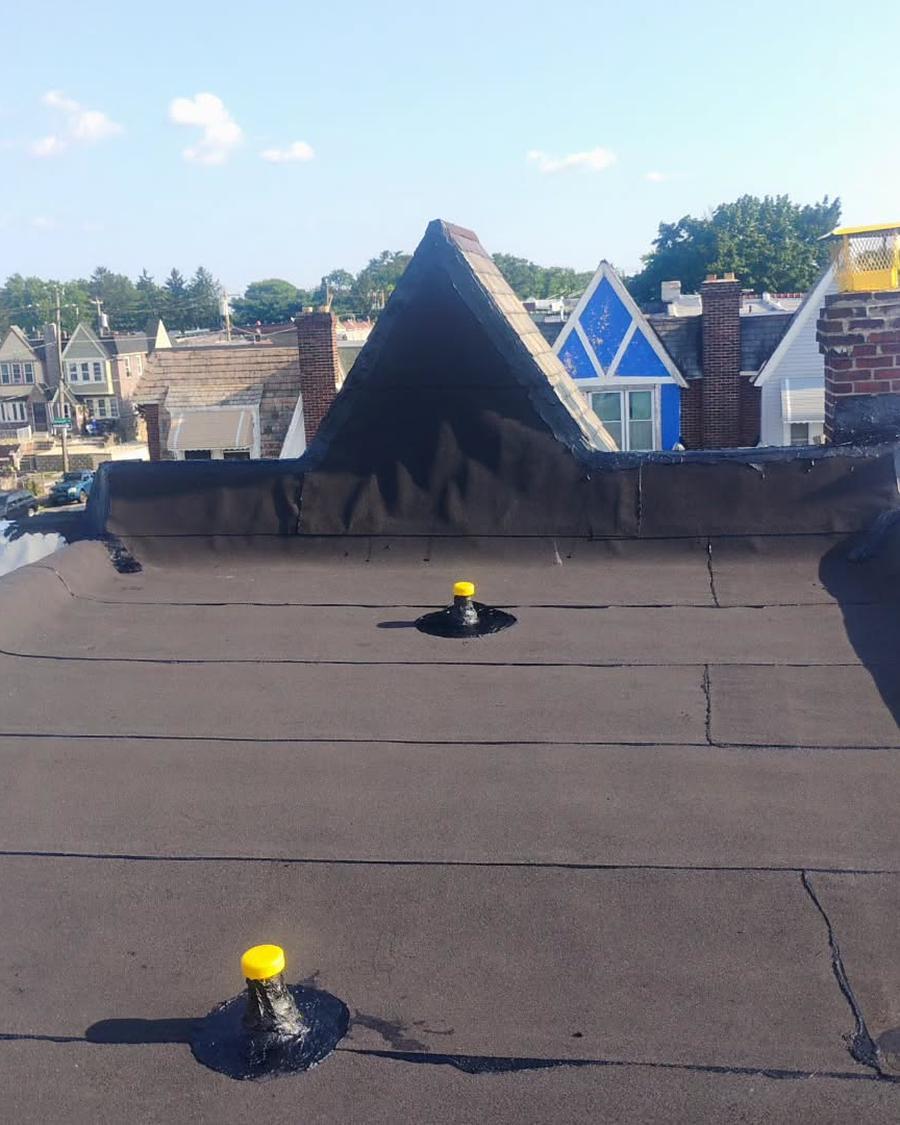
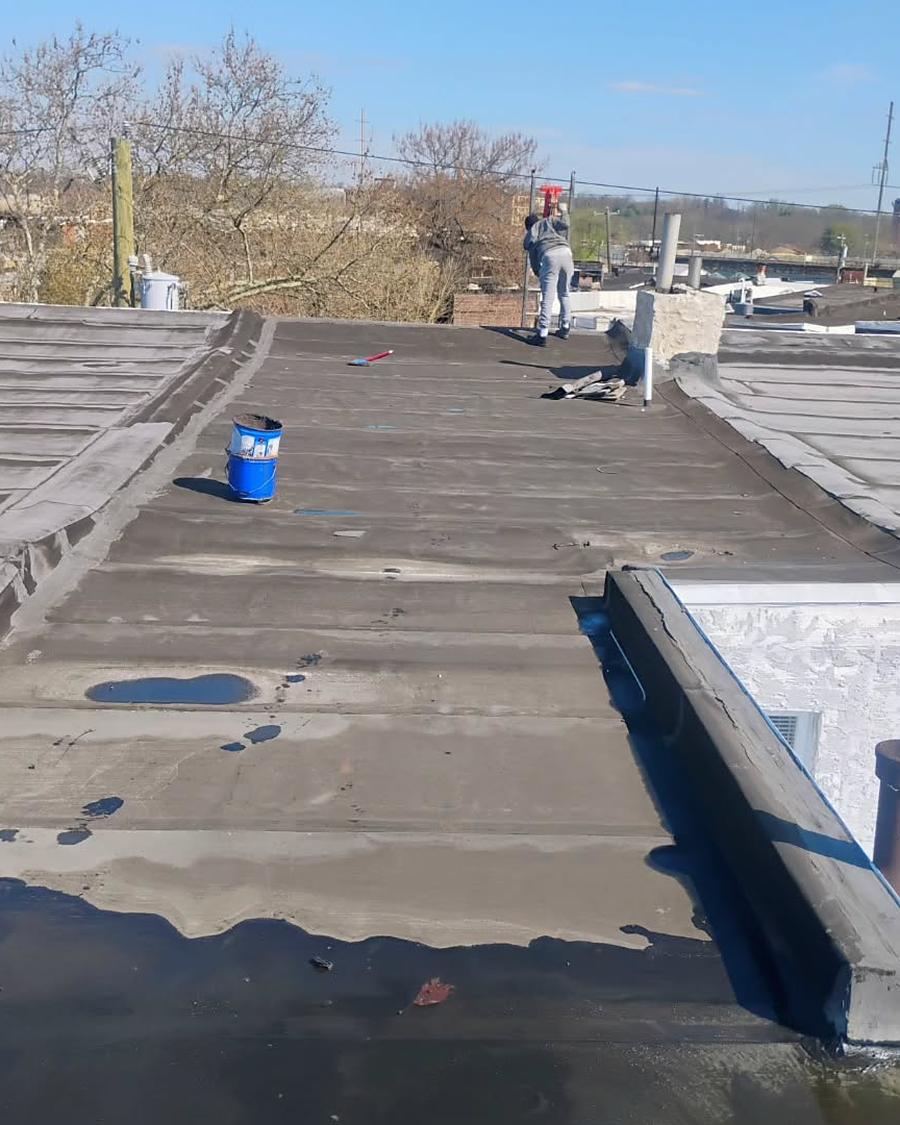
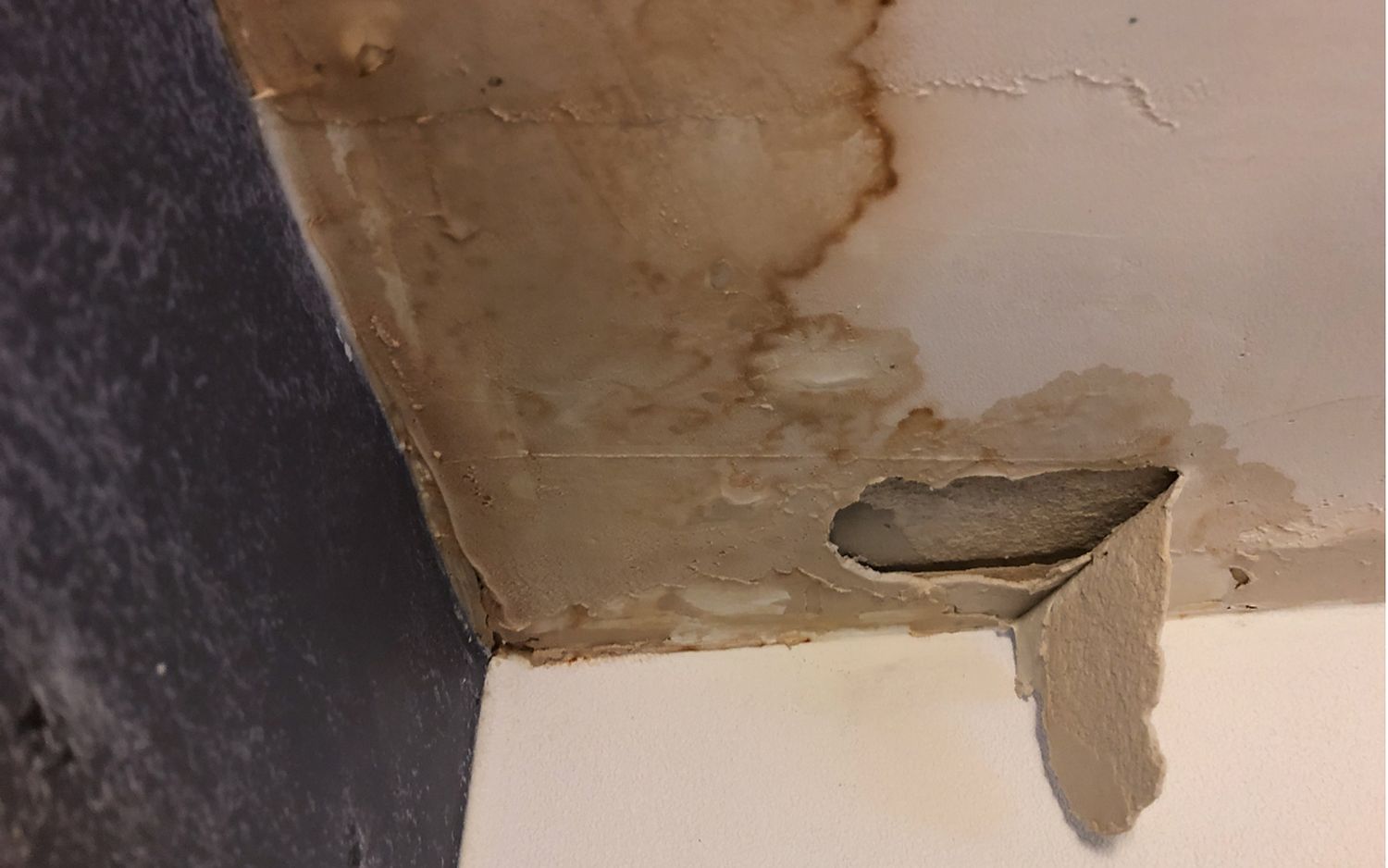
Photographs before anybody touches anything — that is what your claim is built on. Then the repair. Left is how we found it, right is how we left it.
Straight answers
Storm Damage & Insurance Claims — FAQ
Also from us
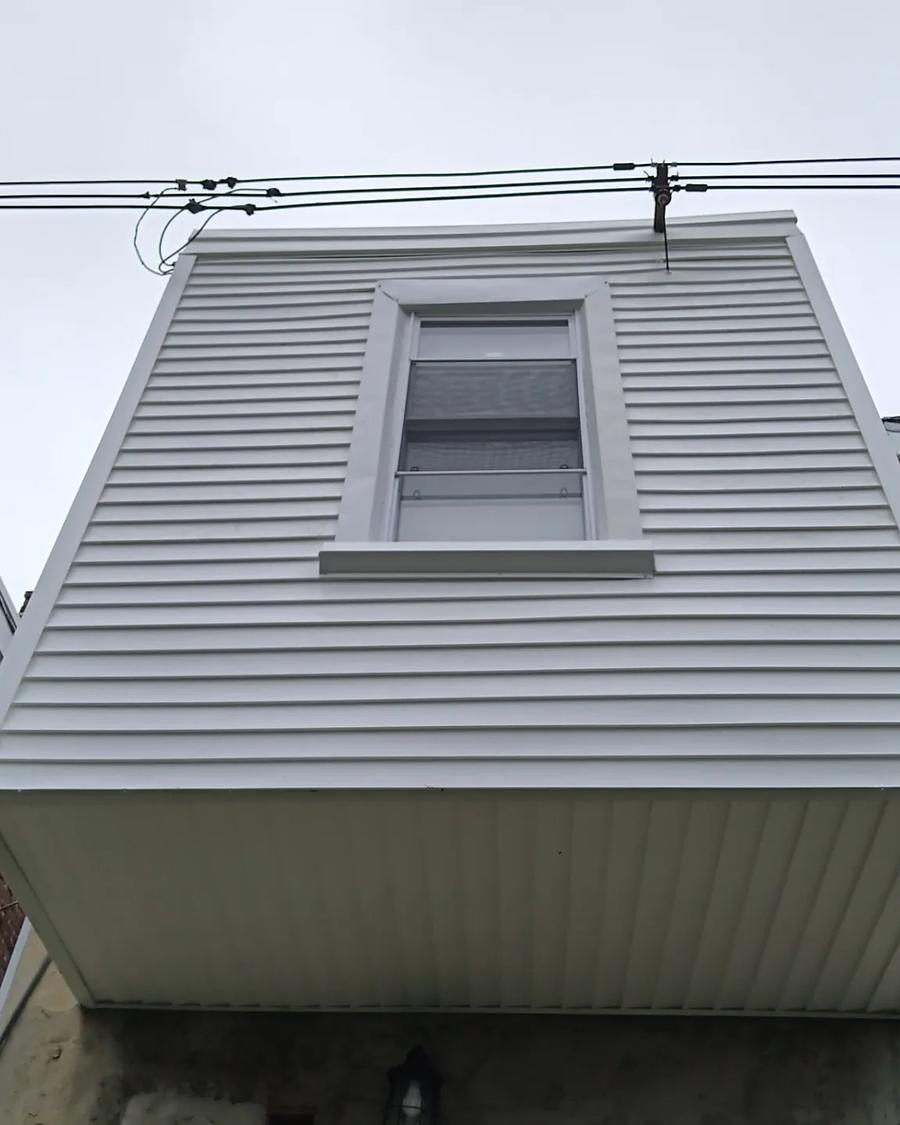
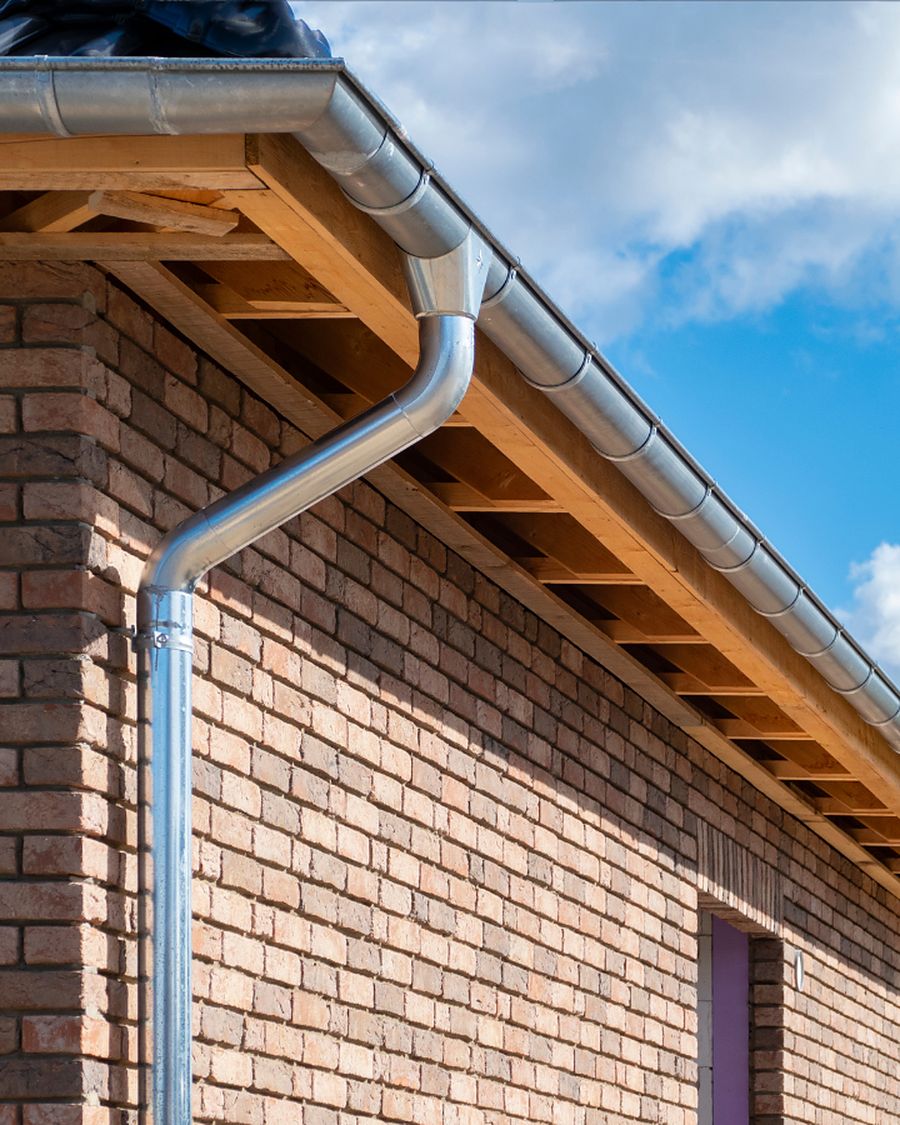
The rest of the outside
of your house.


Free estimate
Free inspection. Written estimate. No pressure.
Tell us what you are looking at and we will come and look at it — and we will tell you honestly what it needs, including the times the answer is nothing yet.