Nobody climbs onto their own roof, and nobody should. But you can learn a surprising amount about the state of one from the pavement across the street, and it is worth knowing before somebody knocks on your door and tells you what they think.
Here is what we look at first when we pull up outside a house, in the order we look at it.
1. The ridge line, and whether it is still straight
Stand across the street and look along the top edge of the roof. It should be dead straight. A dip, a sag or a wave in that line is not a shingle problem — it is a structural one, and it means something underneath has moved: a rafter, the decking, or a wall that has settled. This is the one sign on the list that should get somebody out to look this week rather than this year.
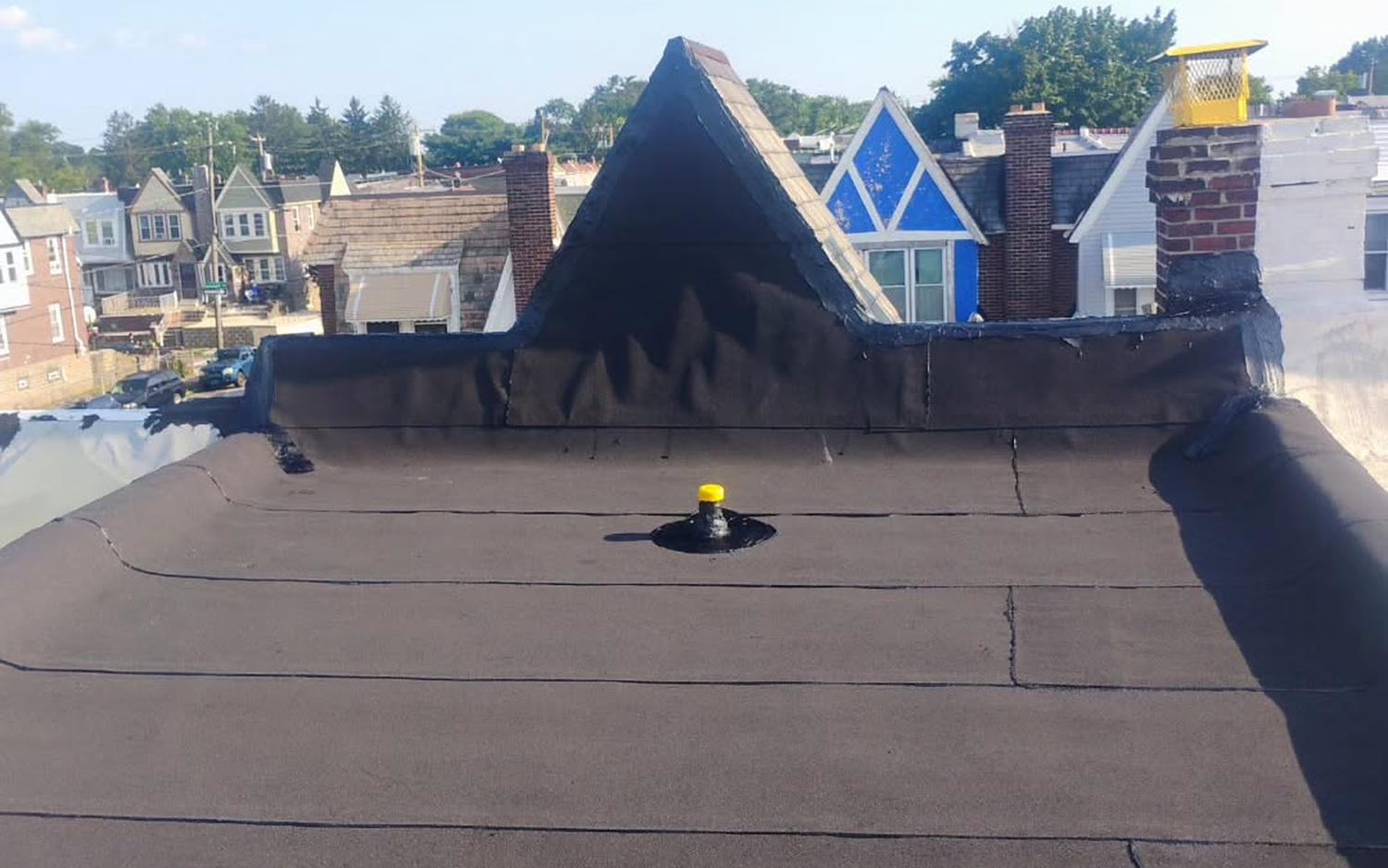
On a Philadelphia row the equivalent is the parapet line. If the coping is stepping down or bowing out over the street, that is masonry work, and no roofer should be selling you a roof over it until it is sorted.
2. Cupping, curling and lifted tabs
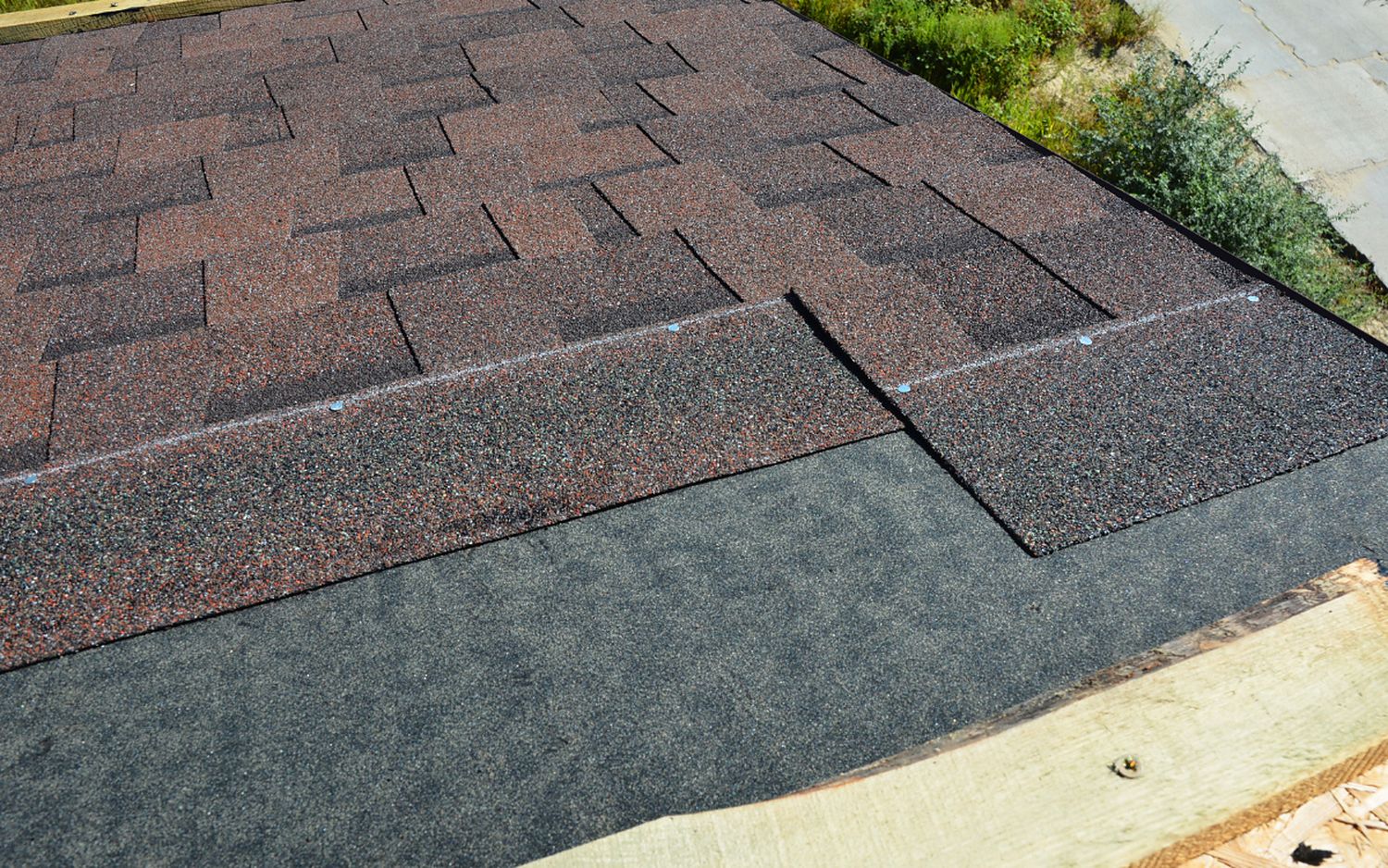
A healthy asphalt shingle lies flat. As it ages, the mat underneath dries out and the tabs start to lift at the corners or curl up at the edges — it looks a little like the roof has goosebumps. Once a tab lifts, wind gets under it, and the next hard nor'easter takes it somewhere else.
Look particularly at the south and west faces. Those get the most sun and they age first, so a roof can look perfectly fine from the front of the house and be finished round the side.
3. Granules in the gutter
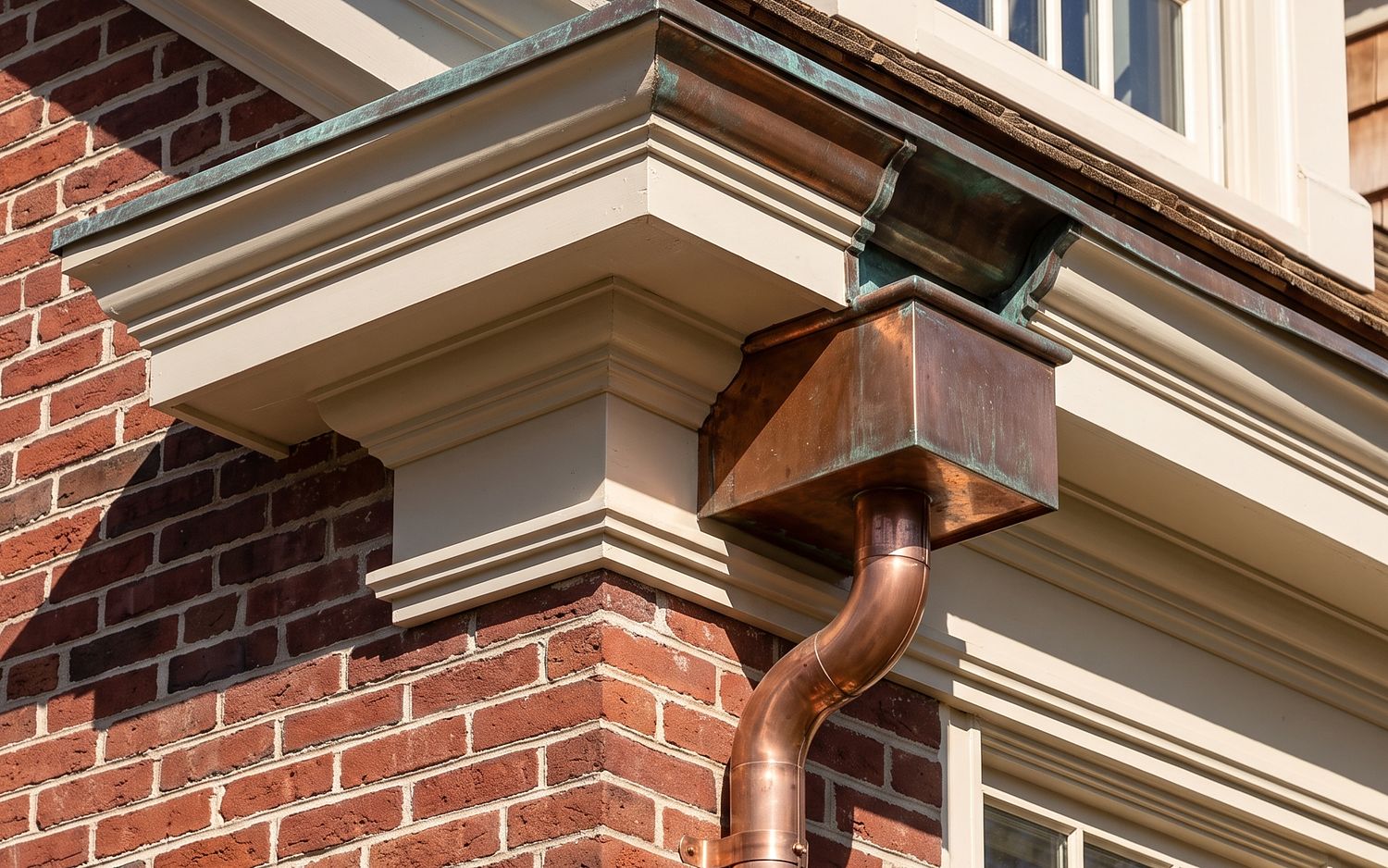
The coloured grit on a shingle is not decoration. It is the sun protection for the asphalt underneath, and once it is gone the asphalt cooks and the shingle has a couple of years left. If your downspout outlet is silted up with what looks like coarse black sand, that is your roof in a pile at your feet.
You can see the same thing from the street as dark patches or a blotchy, uneven colour across the roof face. That is bare asphalt showing through where the granules have gone.
4. What is happening at the flashing
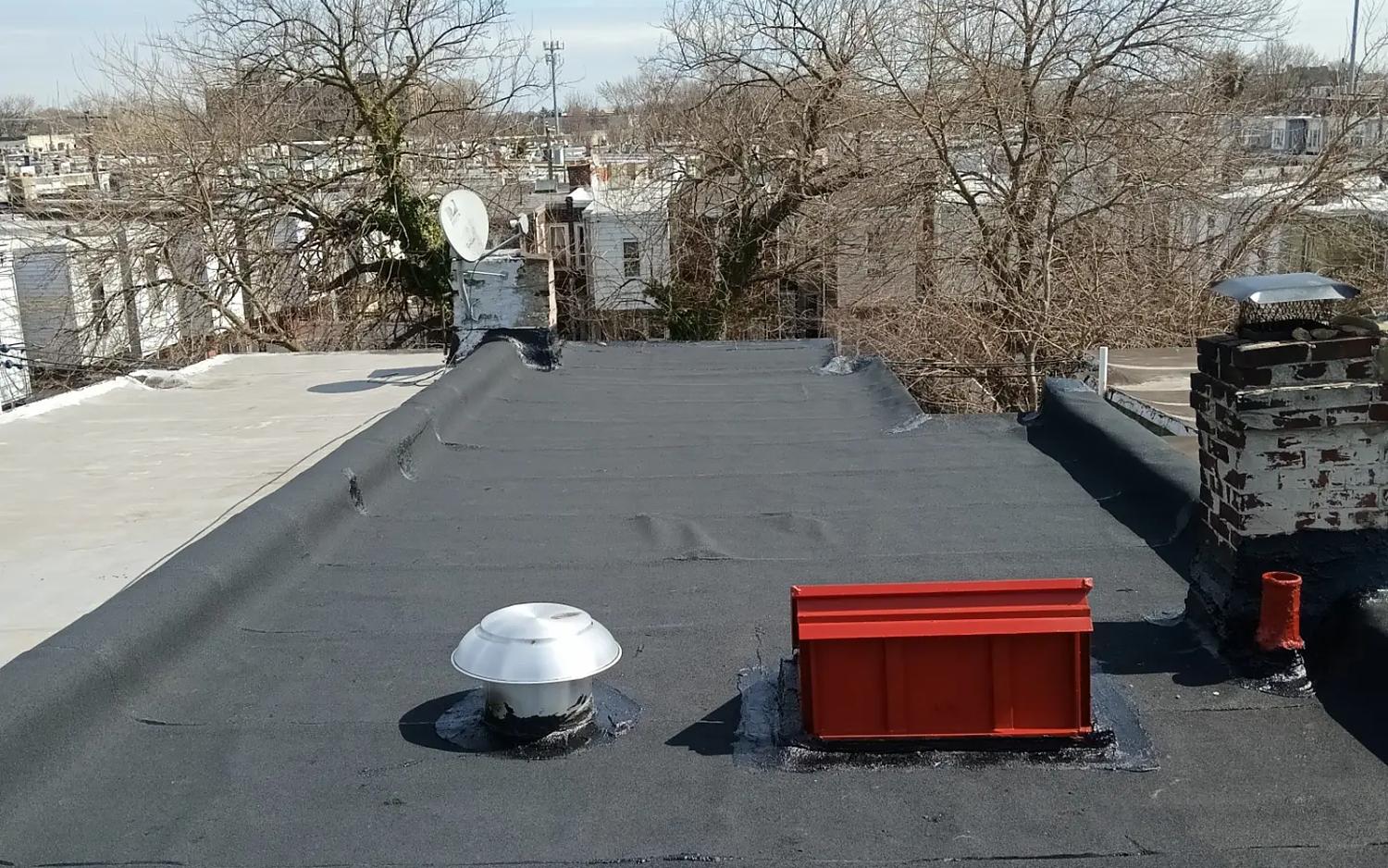
Most roofs do not fail in the middle of a big open plane. They fail where the roof meets something else: a chimney, a wall, a valley, a vent pipe, a skylight, a dormer cheek. That junction is flashed with metal, and the metal is what actually keeps the water out.
From the ground you are looking for rust streaks running down from a chimney, a tar-daubed repair somebody has smeared over a joint, or a section of counter-flashing that has pulled away from the mortar. Roofing tar over a flashing detail is a repair with an expiry date, and on an older house we usually find several of them stacked on top of each other.
5. Inside the house, at the top
Go and look at your top-floor ceilings in daylight, and go into the attic if you have one and can get there safely. You are looking for:
- Brown or yellow rings on a ceiling, or a patch of paint that has gone slightly matte where the rest is not
- Daylight visible through the roof boards from inside the attic
- Damp, matted or blackened insulation, particularly near the eaves
- A musty smell in a room that has no other reason to smell musty
- Staining on the top-floor wall rather than the ceiling — on an older Philadelphia house that usually means a built-in box gutter, not the roof
The Philadelphia part: your neighbours are a clue
This city builds in rows, and a row goes up all at once to one plan with one set of materials. That means it also ages to one plan. If three houses on your block have had roofers on them in the last two years, yours is the same age as theirs and it is worth getting looked at, whatever it looks like from the street.
Rows built to one plan fail to one plan. That is why we can usually tell you on the phone what we expect to find before anybody is on a ladder.
What none of this tells you
Everything above is visible from outside, and everything above is about the surface. What you cannot see from the ground is the condition of the decking underneath, whether the insulation on a flat roof is wet, or how many layers are already up there. Those three things are what actually decide whether you need a repair, a coating or a full tear-off, and they are the reason a real inspection involves somebody getting on the roof with a camera.
That is also why we will not quote a roof off a photograph or a satellite image. You can price a rectangle that way. You cannot price what is under it.
The answer is sometimes ‘not yet’
We have walked plenty of roofs and told people to spend nothing this year, or to spend a little on flashing and get another four or five years out of what they have. That is not a lost sale. It is how you get the call when it genuinely is time, and the call from the neighbour.
If anything on this list sounds like your house, the inspection and the written estimate are both free, and you get the photographs either way.