“Fifty year warranty” is on almost every roofing flyer that comes through your door, and on its own it means very little. There are three separate things people call a warranty, they cover different failures, and the space between them is where nearly every argument about a failed roof takes place.
1. The manufacturer warranty — covers the shingle
This comes from whoever made the material, and it covers defects in the product. If the shingles delaminate, lose their granules prematurely or fail in some way that is traceable to how they were made, this is the warranty that responds.
What it does not cover is installation. If a shingle blows off because it was nailed too high, that is not a manufacturing defect and the manufacturer will say so — usually after sending somebody to look, and usually after the roofer who nailed it has stopped answering the phone.
2. The workmanship warranty — covers the labour
This one comes from the contractor, and it covers how the roof was put on. Nails in the wrong place, flashing detailed badly, a valley that was not woven properly, a vent that was not sealed. In practice this is the warranty that matters most in the first five years, because the overwhelming majority of early roof failures are installation failures, not product failures.
It is also the one worth the least if the company issuing it is not around. A twenty-five year workmanship warranty from an outfit that has existed for eighteen months is a piece of paper. Ask how long they have been trading, ask whether they are the ones who will do the work or whether it is being subcontracted, and ask what actually happens when you call.
3. The system warranty — covers both, and has conditions
Manufacturers offer enhanced warranties that cover the product and the installation, but only when the whole roof is built from their system — their underlayment, their ice and water shield, their starter, their ridge cap, their ventilation — and only when it is installed by a contractor they have certified.
A system warranty is the only one where the manufacturer stands behind the workmanship too. It is also the only one that can be voided by leaving one component out.
That last point is not a technicality. Substitute a cheaper ridge cap or skip the manufacturer's starter strip and you can have a roof that looks identical from the street and carries a materially weaker warranty.
What voids almost all of them
- Layering over an old roof. Very often excluded outright, and it is one reason we tear off rather than lay over.
- Inadequate ventilation. This is the quiet one. Most manufacturers require balanced intake and exhaust, and an attic that cooks will shorten a shingle's life dramatically. If a quote does not mention ventilation at all, ask.
- Someone else working on the roof afterwards. A satellite dish installer or a solar crew putting fixings through your new roof can compromise cover.
- Not registering it. Several manufacturer warranties have to be registered within a window after installation. Ask who is doing that and get the confirmation in writing.
- Storm damage. Almost universally excluded — that is what your homeowner's insurance is for, not the warranty.
The five questions to ask before you sign anything
- Which of the three warranties am I actually getting, and can I see the document rather than the brochure?
- Is it prorated, and from when?
- Is it transferable if I sell the house, and is there a fee or a window?
- Who registers it, and when will I have the confirmation in my hand?
- What specifically voids it — and is anything in your own quote on that list?
How we handle it
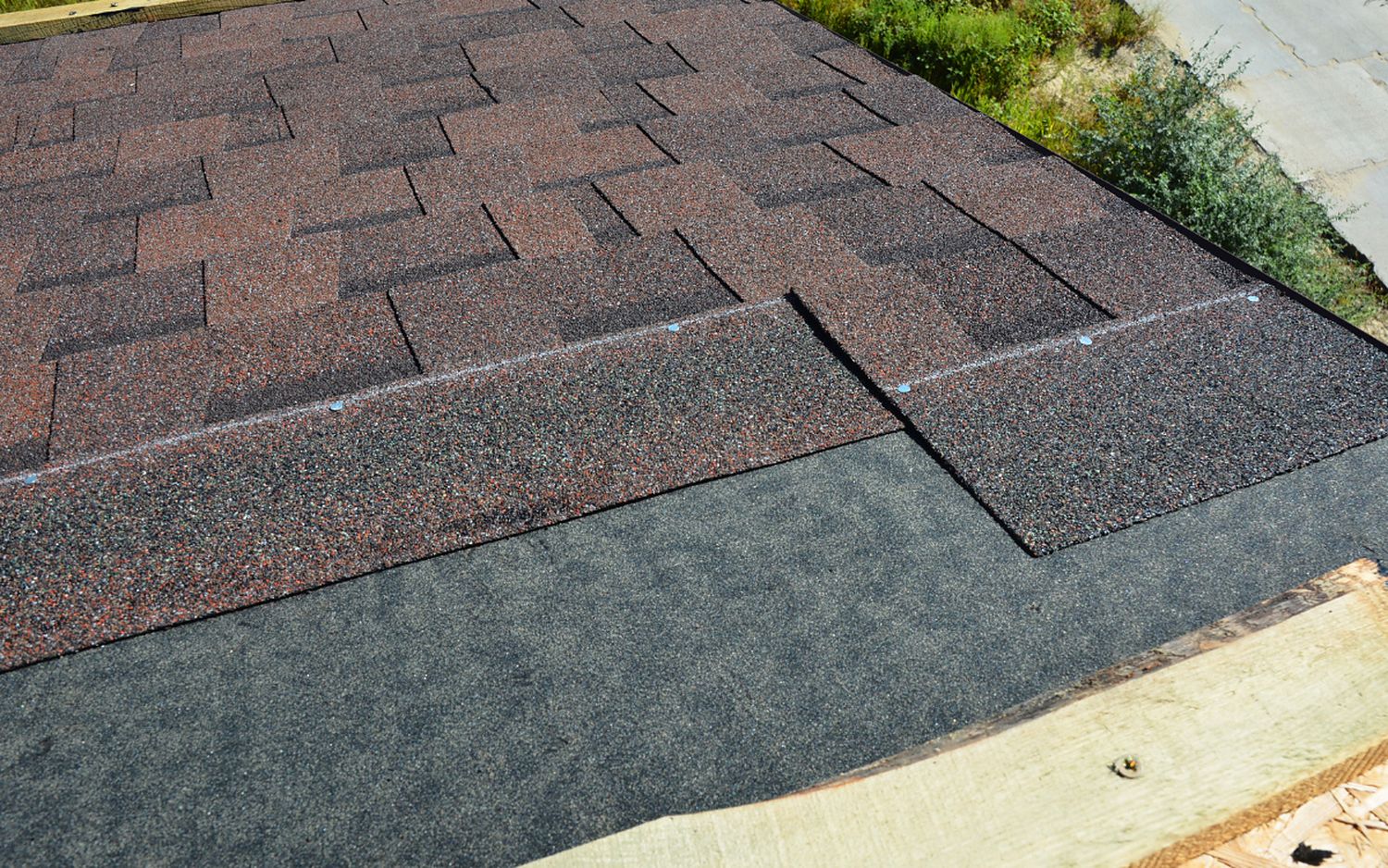
We install GAF systems on pitched roofs: full tear-off, ice and water shield, synthetic underlayment, new flashing and ridge ventilation. That is not a list to pad an estimate — it is what the system warranty requires, and leaving any of it out is what quietly downgrades the cover you thought you were buying.
Our estimates are itemised and they are yours to keep, so you can hold what we said we would do against what is on your roof. If a quote you have been given elsewhere is one line and a number, that is worth asking about before you compare it to anything.